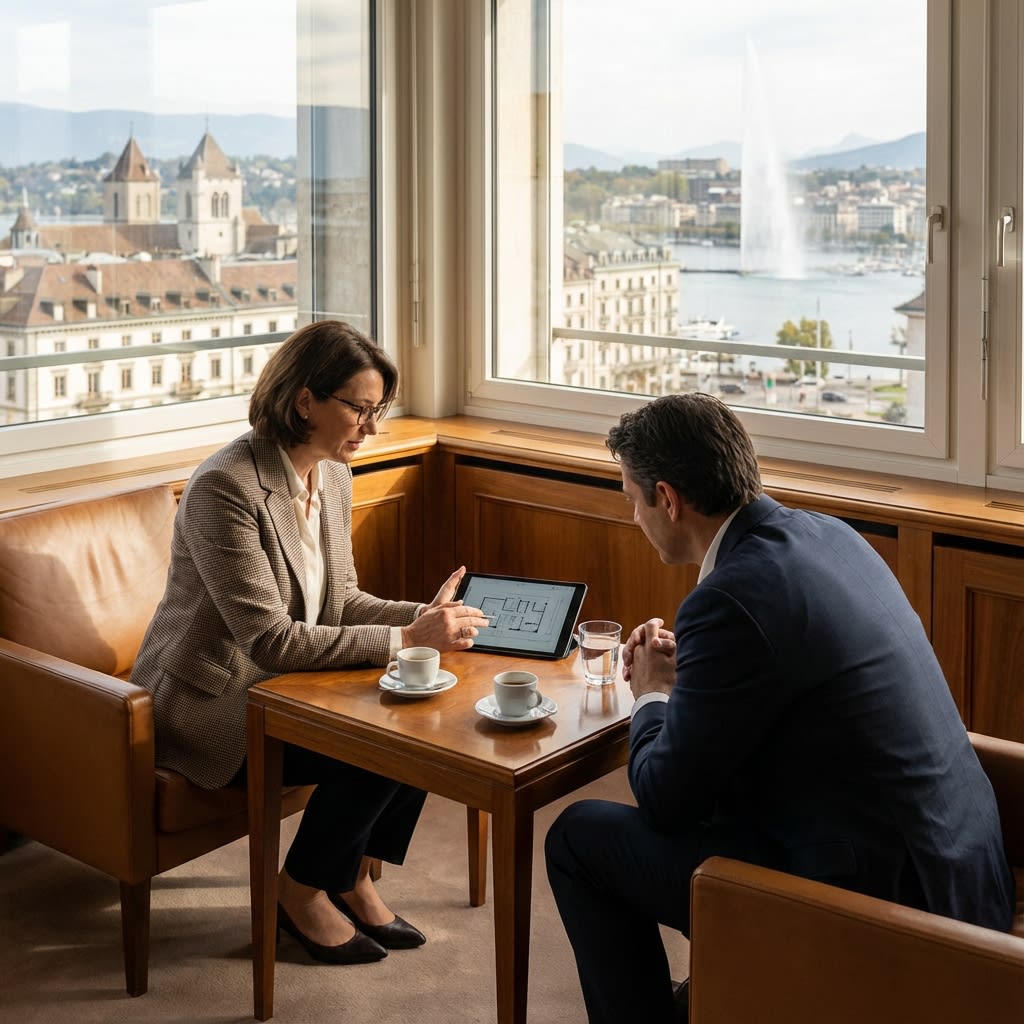
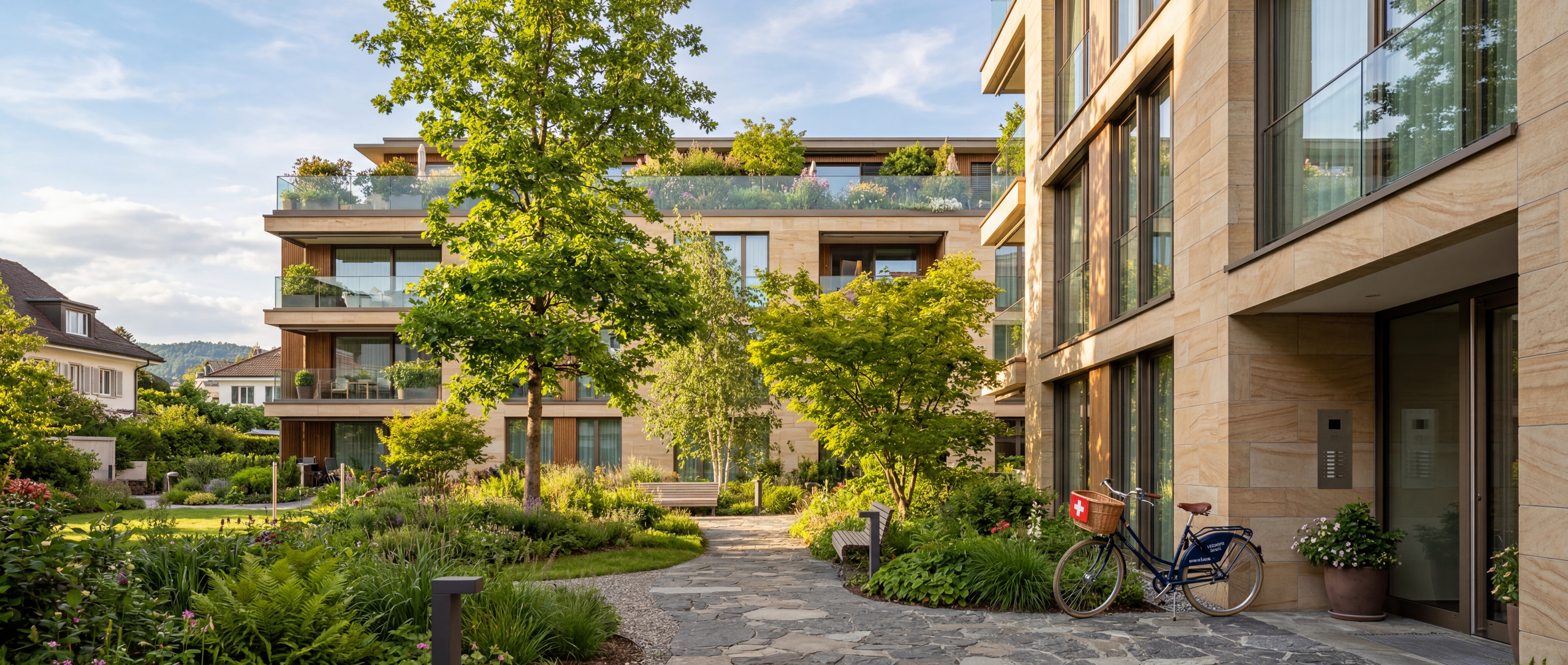
Renting From a Private Landlord in Geneva: How to Skip the Régie (2026)
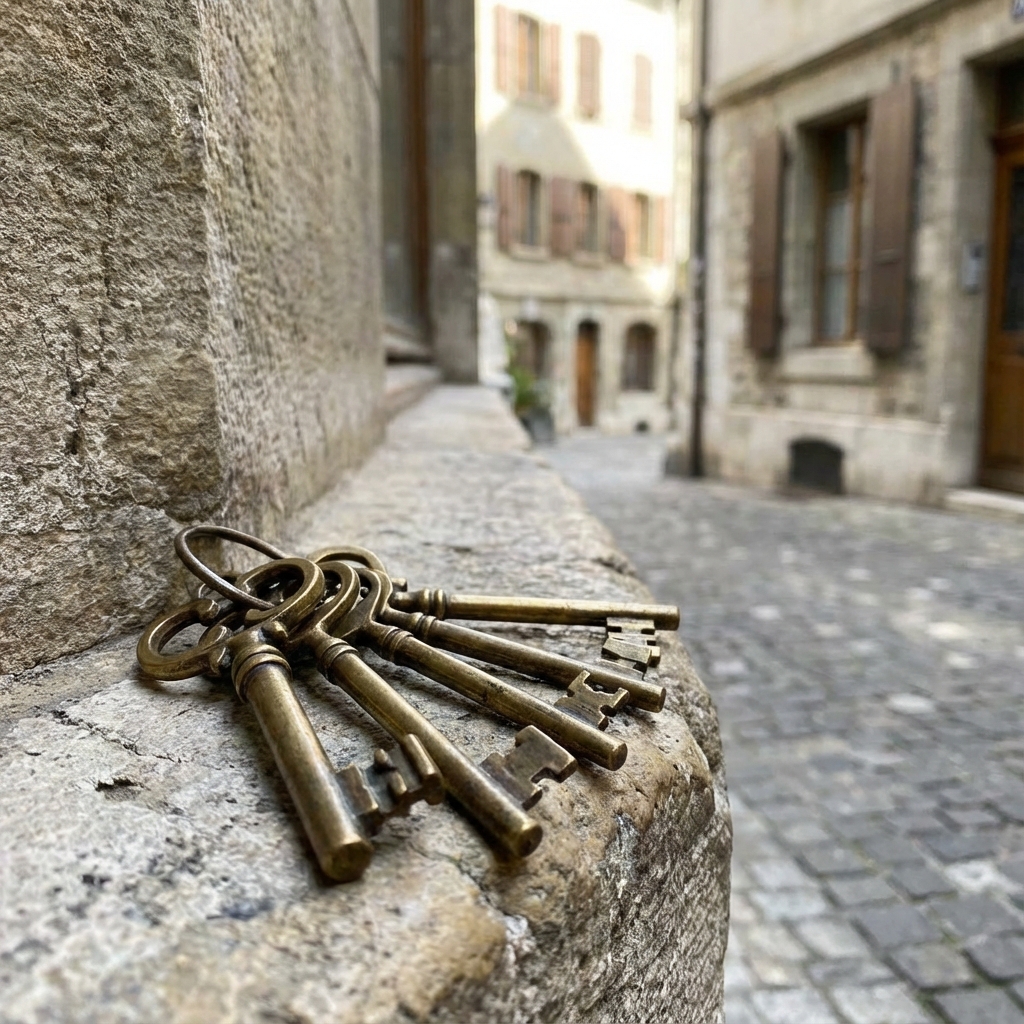
The Geneva Power Dynamic
- The Status Quo: Most of Geneva's rental stock is managed by professional management firms known as régies.
- The Pain: Régies follow standardised processes. Applications are paper-heavy and decisions can take time.
- The Alternative: Private landlords who manage their own property are fewer, but they often decide faster, accept non-standard profiles and are open to tailored lease terms.
Renting directly from a private owner is the fastest way around Geneva's régie system. Private landlords rarely advertise publicly. They let through personal networks, relocation agents and private platforms, and they judge you on your whole profile rather than a checklist. Your protections under Swiss tenancy law are the same either way.
Ask a local in Geneva about their housing search and they will probably sigh and mention "the régie".
Zürich's market is tight but fairly transparent. Geneva's is more institutionalised. The canton's vacancy rate fell to 0.31% on 1 June 2026, the lowest level since 2011. Large firms manage much of the city's apartment stock and act as gatekeepers, with rigid application processes and strict criteria.
For an international executive with a non-standard profile (foreign income, diplomatic status, a tight deadline), that system can feel like a wall.
The smartest route in Geneva is often not to fight the régies, but to go around them by finding private landlords.
The "Direct-to-Owner" Advantage
Renting from an owner who manages the property personally (propriétaire privé) changes the whole dynamic.
1. Speed of Decision
- Régie: Your file passes through several people before a decision. It can take weeks.
- Private landlord: You meet the owner. If they like your profile, a decision can come within days.
2. Flexibility on Documentation
Régies apply fixed rules. Without the expected Swiss payslips or permit, your file may simply stop. Private landlords can look at the whole picture: your employment letter from an international organisation or a multinational, your assets and your references. See our Swiss rental document checklist for what to prepare either way.
3. The "Diplomatic Clause"
A break clause for an international transfer is common for diplomats but harder to get from a large régie. Private owners, especially those with premium properties, are generally more open to custom terms.
Stop Searching.
Be Found.
Join the private network used by Switzerland's top executives. Start your onboarding with just your email.
Where Are the Private Landlords?
Private luxury listings rarely appear on public portals.
Why? Because private owners of premium homes, such as villas in Cologny or apartments in Champel, want to avoid the flood of enquiries too. They do not want fifty phone calls. They want one qualified tenant.
They find tenants through:
- Private networks: Platforms like Offlist, where they can review tenant profiles before revealing the property.
- Relocation agencies: Many trust agencies to bring them pre-vetted corporate tenants. Our relocation agent cost analysis shows when an agent pays for itself.
- Word of mouth: Geneva's diplomatic and corporate networks are powerful.
If you are searching for a family home near a specific school, combine this with our Geneva neighborhood guide by international school.
What a Private Landlord Checks
Owners who let their own home care less about forms and more about fit:
- Stability: How long you plan to stay, and who stands behind the lease (you, your employer or your organisation).
- Care: Whether you will look after the parquet, the garden and the neighbours. References from previous landlords matter.
- Solvency: An employment contract, recent payslips or a bank letter, and a clean debt-collection extract once you are resident.
- Communication: A short, personal cover letter in French or English, with your move-in date and household.
Lease Clauses Worth Negotiating
- Early termination: A clause allowing you to leave on a transfer abroad. Without one, Swiss law still lets you leave early if you propose a suitable replacement tenant who takes over the lease on the same terms.
- Rent structure: A fixed rent, a staggered lease (bail échelonné, minimum three years) or an indexed lease (bail indexé, minimum five years).
- Garden, pool and staff: Who pays for maintenance, and whether it sits in the rent or the service charges (charges).
- Furnished inventory: A detailed list with photos if furniture is included.
Whoever your landlord is, in Geneva the initial rent must be notified on the official cantonal form, and you can challenge an abusive initial rent within 30 days of moving in. Our Swiss rental glossary explains these terms.
How to Avoid Scams
Private rentals are where most fake listings appear, especially on social media and classified sites.
- Never pay before a viewing and a signed lease. Genuine landlords do not ask for money to "reserve" keys.
- The deposit goes into a blocked account in your name, or you use a deposit guarantee. It is never paid into the landlord's personal account.
- Check ownership. Anyone can ask the land registry (registre foncier) who owns a property, without giving a reason.
- Beware "I'm abroad, I'll post you the keys". That is the classic script.
On vetted platforms like Offlist, ownership is checked before any introduction is made.
Conclusion
In Geneva, there are two markets: the institutional market, run by forms and queues, and the private market, run by relationships and reputation.
For many executives, the real luxury is not the marble bathroom. It is being treated as a partner in a contract rather than a number in a queue. Create a free private profile on Offlist to be introduced to Geneva owners who let directly.
Frequently Asked Questions (FAQ)
What is a "régie"?▼
A régie is a professional property management company in French-speaking Switzerland. It acts between owner and tenant for everything from applications to repairs.
Are private rentals more expensive?▼
Not necessarily. Private landlords are well represented in the premium segment, but many price fairly to attract stable, long-term tenants.
How do I verify a private landlord is real?▼
Meet them at the property, ask for ID and check ownership with the land registry (registre foncier), which will give the owner's name on request. Never pay a deposit or fee before a viewing and a signed lease.
Do I have fewer rights renting from a private owner?▼
No. Swiss tenancy law applies in the same way whether the landlord is a private person or managed by a régie, including the three-month cap on the deposit and the right to challenge rent increases.

About the Author
Benjamin Amos Wagner
Founder of Expat-Savvy.ch & Offlist | Connecting Expats with Homes